Where Did All The Toilets Go?
Part 3 — Underground, Forgotten
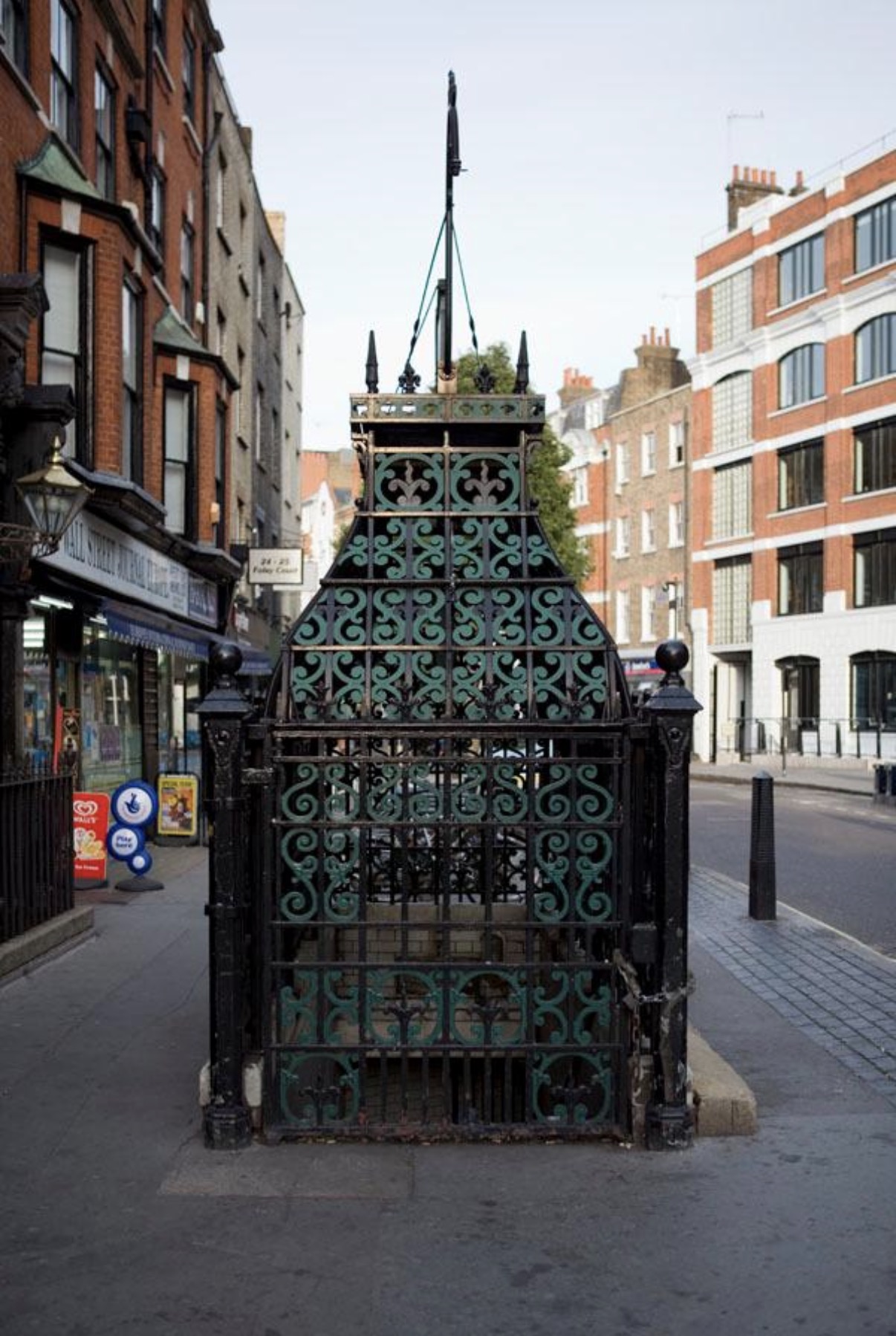
There are toilets in London you can’t use.
They’re still there.
Under your feet.
You walk past them without thinking.
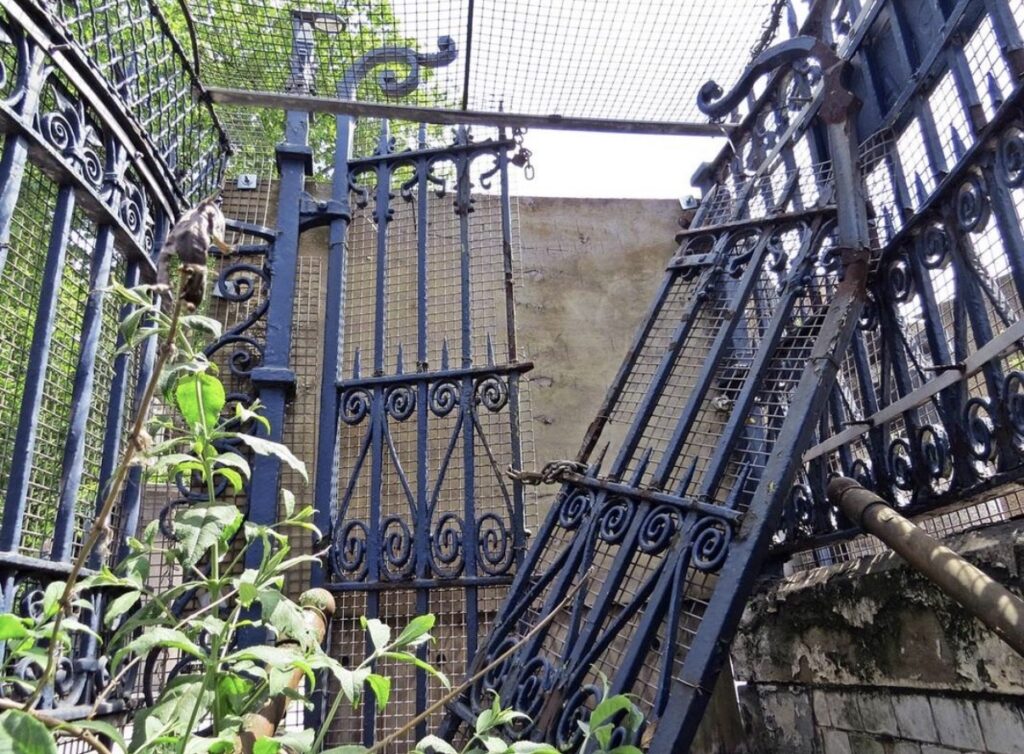
Old staircases dropping below street level.
Tiled entrances.
Faded signs that still say:
Public Convenience.
Except they’re not.
Not anymore.
London built these properly.
Late 19th century. Early 20th.
Underground toilets across the city:
- Soho Square
- Bloomsbury Square
- Clapham Common
- Hyde Park Corner
- Covent Garden
They were built because the city understood something simple:
People are out all day.
They need somewhere to go.
And for decades, they worked.
Then they started closing.
Not because they stopped being used.
Because they became inconvenient.
Maintenance costs.
Cleaning contracts.
Staffing.
Anti-social behaviour.
So councils made a decision.
Close them.
Across the UK, hundreds of public toilets have been shut since 2010.
Local authorities don’t have to provide them by law.
So when budgets tighten — they go.
London followed the same path.
Some were:
- locked and left
- bricked up
- sold off
- turned into cafés, bars, or storage
You can still find examples if you look:
- Old underground toilets in Finsbury Park — closed
- Facilities near Camden High Street — removed or repurposed
- Toilets around Oxford Circus — reduced or commercialised
Some have been turned into businesses.
Cocktail bars. Coffee spots. Small retail units.
And that’s where it gets strange.
Because the space still works.
The plumbing worked.
The access worked.
The location definitely worked.
Just not for the public.
There’s always talk about bringing them back.
Pilot schemes.
Community toilet partnerships.
Ideas about reopening underground sites.
But nothing really moves.
Because the argument is always the same:
“It costs too much.”
And it does cost money.
Cleaning.
Security.
Maintenance.
But so does everything else we choose to fund.
That’s the part that doesn’t get said.
Because these spaces could do more than just sit closed.
They could:
- create jobs (cleaning, maintenance, attendants)
- provide facilities for workers on the move
- support delivery drivers, tradespeople, transport staff
Instead, they sit unused.
Or worse — repurposed into something that only works if you can pay.
So the city didn’t lose the infrastructure.
It just changed who it’s for.
And that’s the shift.
From public → private
From access → permission
From function → profit
All while the original problem still exists.
The bus driver still can’t stop.
And somewhere underneath the pavement…
There’s probably a locked door that would’ve solved it.
 Back → Part 2 — The Disappearance
 Next Series → Working Conditions