Where Did All The Toilets Go?
Part 1 — The Bus Driver Who Couldn’t Stop
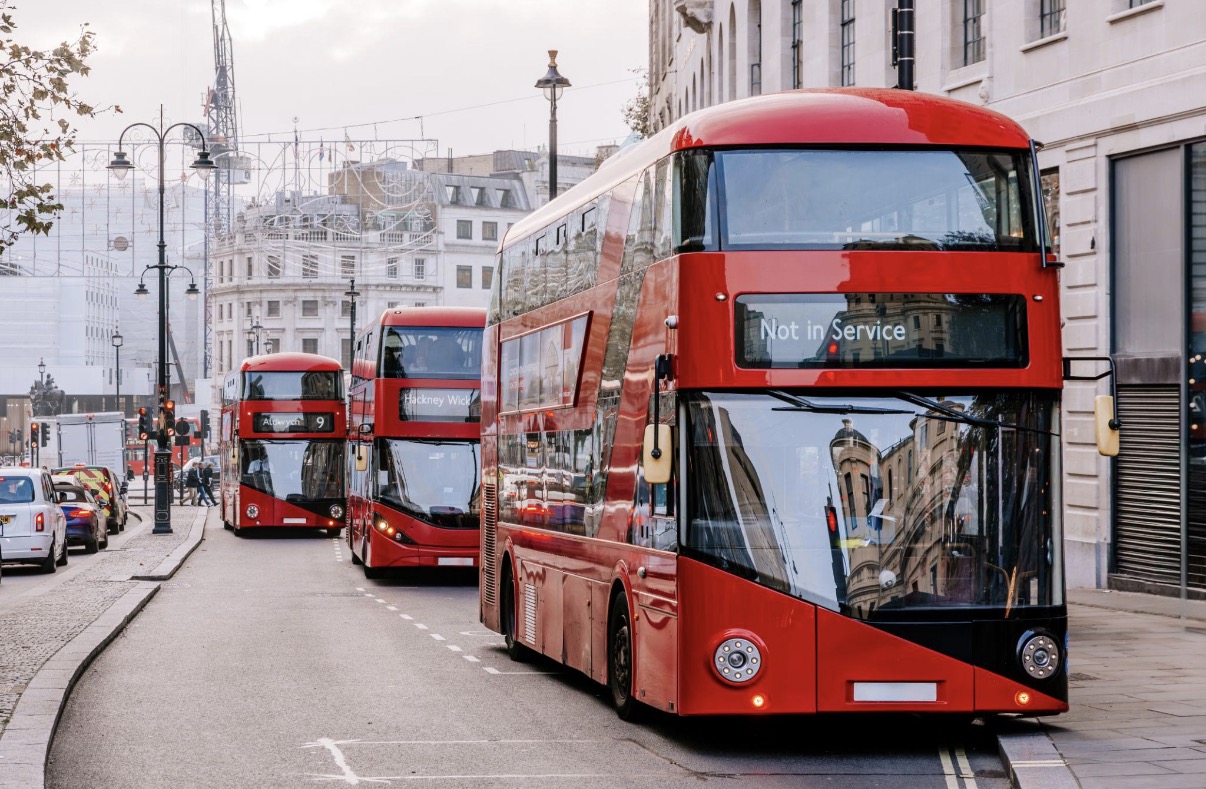
I was on a bus the other day in London.
Nothing unusual. Just another route, another driver, another day.
But you can tell when something’s off.
The driver wasn’t just driving. He was looking.
Not at the road — past it. Scanning. Thinking ahead.
Not for traffic. Not for passengers.
For a toilet.
It’s subtle if you’re not paying attention.
The slight hesitation at stops.
The longer-than-normal pauses.
The way the bus doesn’t quite move with the same rhythm.
You realise what’s happening before anyone says anything.
He needs to go.
And he can’t.
Think about that properly.
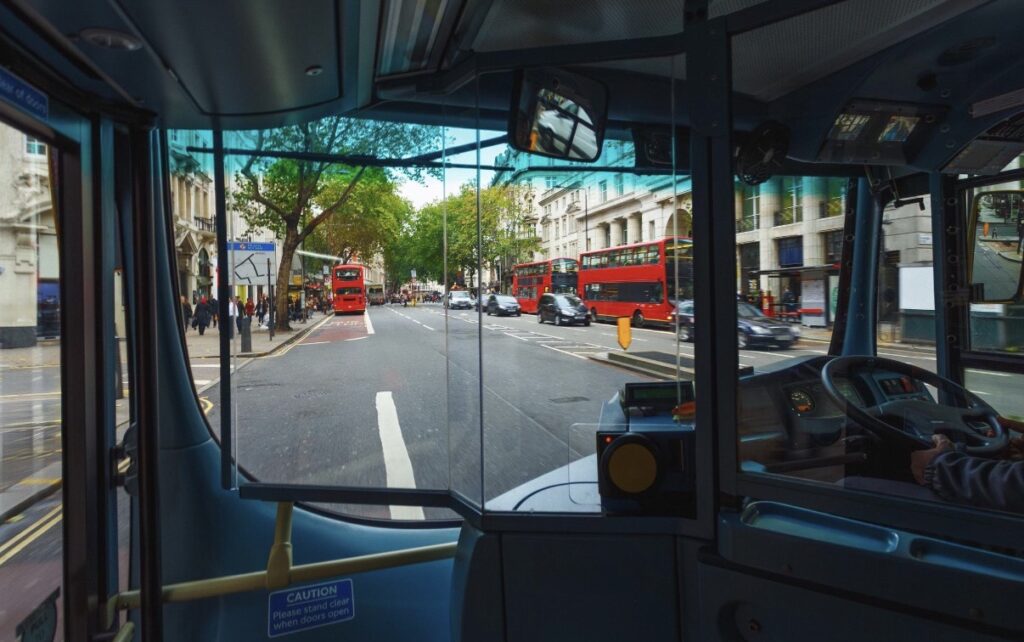
A man responsible for a bus full of people, navigating traffic, keeping to time,
and he doesn’t know when he’ll next be able to use a toilet.
No guaranteed stop.
No proper facility.
No space in the system for something completely normal.
Just… hold it.
And people underestimate what that actually means.
Holding your piss isn’t nothing.
Your body is literally telling you to stop.
It’s a signal. Immediate. Physical. Hard to ignore.
And you’re overriding it.
For minutes. Sometimes longer.
It affects everyone.
It makes you hesitate.
You second-guess movement.
You become aware of your body in a way that interrupts everything else.
Your focus isn’t clean anymore.
You’re not just driving,
you’re managing discomfort, pressure, distraction.
And more than that,
You’re holding waste.
Something your body is trying to get rid of.
Call it what you want,
but it’s not meant to sit there.
Now stretch that out over a full shift.
Not once. Repeatedly.
Day after day.
That’s not just uncomfortable.
That’s a working condition.
We talk about working conditions like they’re big things.
Pay. Hours. Contracts.
But they’re not.
They’re this.
The small, constant pressures that no one writes down.
A driver, mid-route, doing calculations in his head that have nothing to do with driving.
How long can I last?
Where can I go?
Is there anywhere left?
Because that’s the other part of it.
There isn’t anywhere.
Public toilets — the ones that used to just exist — are gone.
Not suddenly. Not dramatically.
Just quietly removed.
Closed. Locked. Disappeared into the background.
So now what happens?
You rely on chance.
A shop that lets you in.
A café where you have to buy something.
A place that hasn’t put a code on the door yet.
Or you don’t go at all.
And if you’re working?
If you’re on a fixed route, a fixed schedule, a job where you can’t just step away?
You hold it.
This is London.
One of the biggest cities in the world.
And this is normal.
That’s the strange part.
No one’s shouting about it.
No headlines.
No urgency.
No real pressure to fix it.
You don’t see bus drivers striking over toilets.
You don’t see it debated seriously.
It just sits there, like the problem itself.
Ignored.
The driver on that bus wasn’t an exception.
He was just visible for a moment.
We build systems around efficiency, movement, productivity.
But not around people.
Not around something as basic as this.
And most people won’t notice.
Until they need one.
This isn’t really about toilets.
It just looks like it is.
It’s about what happens when something small, obvious, human —
gets removed, and nothing replaces it.
Because if a bus driver in a city like London
can’t reliably stop to use a toilet while doing his job…
what else have we just accepted without question?
This isn’t where it ends.
This is where it starts.
